 Advertisement Expert
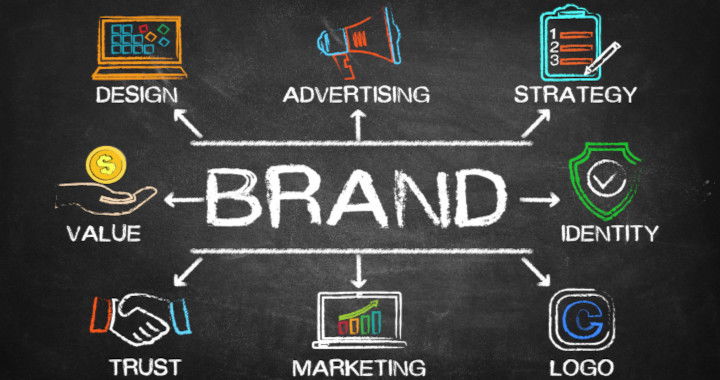
Advertisement is a cornerstone of modern business, serving as both a strategic tool and a vital communication channel between companies and consumers. In an increasingly competitive and fast-paced marketplace, the importance of advertising has only grown. It not only drives sales but also shapes brand identity, builds long-term customer relationships, and sustains a company’s relevance in a constantly evolving environment.
First and foremost, an advertisement creates awareness. No matter how innovative or high-quality a product or service may be, it cannot succeed if potential customers do not know it exists. In saturated markets where consumers are presented with countless choices, effective advertising helps businesses stand out. Whether through digital platforms, traditional media, or experiential campaigns, advertising ensures visibility. This visibility is often the first step in the customer journey, making it essential for generating interest and attracting new audiences.
Beyond awareness, advertisement plays a critical role in establishing and strengthening brand identity. Modern consumers often connect with brands on an emotional level, and advertising is a primary vehicle for conveying a company’s values, personality, and promises. Carefully crafted campaigns can foster trust and loyalty by consistently reflecting what the brand stands for. Over time, this consistency helps shape public perception and differentiates a business from its competitors. Well-known examples, from iconic product jingles to memorable visual slogans, demonstrate how advertising can embed a brand into cultural consciousness.
Advertisement also drives sales and revenue, which are fundamental to business sustainability and growth. By communicating the benefits, features, and unique selling points of a product, advertising encourages consumers to make purchasing decisions. Promotions, limited-time offers, and targeted campaigns can stimulate demand and create urgency. In addition, digital advertising has enabled businesses to reach very specific audiences, optimizing return on investment. Advanced analytics and real-time tracking allow companies to refine their strategies based on performance data, resulting in more efficient use of resources and improved outcomes.
Another important aspect of advertisement is its contribution to competitive positioning. In highly dynamic markets, businesses must continually reinforce their presence to stay ahead of rivals. Advertisement enables companies to highlight their advantages, respond to market trends, and adapt to shifting consumer preferences. When competitors introduce new products or adjust their strategies, advertising provides a way to maintain relevance and reaffirm a company’s value proposition.
Moreover, advertisement supports long-term customer engagement. It keeps businesses connected with their audiences by delivering ongoing messages that maintain interest and reinforce brand loyalty. Through storytelling, informative content, and personalized communication, advertising helps nurture relationships that extend beyond a single transaction. This long-term engagement is increasingly important in the digital age, where customer expectations for meaningful interaction are higher than ever.
In summary, advertisement is indispensable to modern business. It informs, persuades, and connects, serving as a powerful engine for growth and differentiation. By creating awareness, shaping identity, driving sales, strengthening competitive advantage, and fostering lasting relationships, advertising remains a fundamental component of business success in today’s complex and ever-changing marketplace.
What makes a good advertisement

A good advertisement is one that captures attention, communicates a clear message, and persuades the audience to take action. In a world filled with constant media and marketing, effective advertising must stand out while remaining relevant and trustworthy.
First, a good advertisement understands its target audience. It speaks directly to the needs, desires, or problems of the people it is trying to reach. This includes using appropriate language, tone, visuals, and platforms. An ad aimed at teenagers, for example, will look very different from one targeting professionals or parents. When audiences feel understood, they are more likely to engage with the message.
Second, clarity is essential. A strong advertisement delivers its message quickly and simply. Viewers should immediately understand what product or service is being offered and why it matters to them. Overly complicated messages or cluttered visuals can confuse audiences and reduce impact. A clear slogan, strong visuals, and a focused call to action help ensure the message is memorable.
Creativity also plays a major role. A good advertisement is original and engaging, using storytelling, humor, emotion, or striking imagery to make a lasting impression. Creative ads are more likely to be remembered and shared, increasing their reach beyond the original audience.
In addition, credibility builds trust. Honest messaging, realistic claims, and consistent branding help establish confidence in the product or company. Consumers are more likely to respond positively to advertisements that feel authentic rather than exaggerated or misleading.
Finally, a good advertisement motivates action. Whether it encourages viewers to buy a product, visit a website, or think differently about an issue, effective advertising always has a purpose. By combining audience awareness, clarity, creativity, credibility, and a strong call to action, a good advertisement can successfully influence behavior and leave a lasting impact.